







Stakeholders across Plateau State have called for adequate funding, modern crime-fighting equipment, improved training and better welfare for personnel as part of measures to ensure the effectiveness of the proposed State Police system.
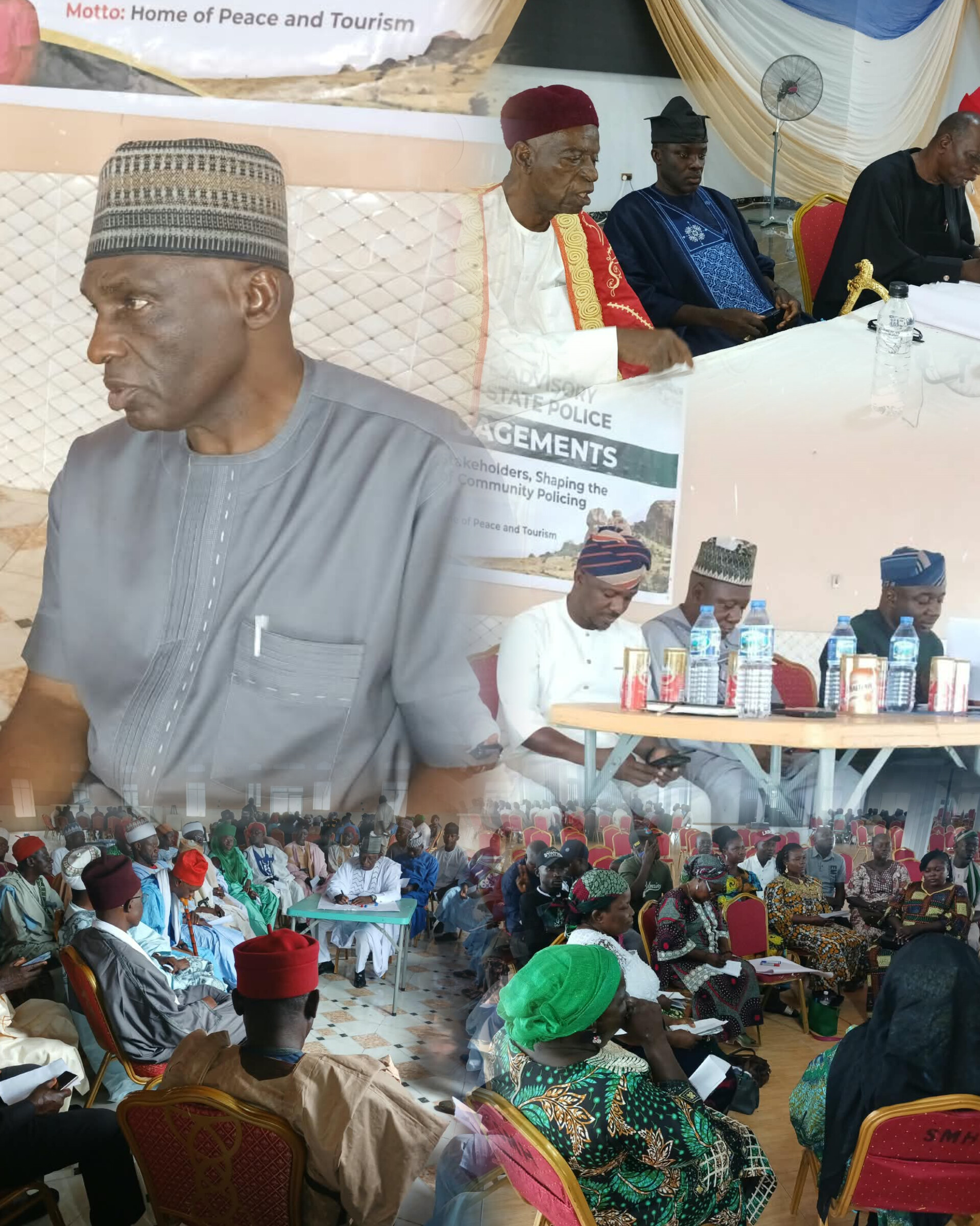
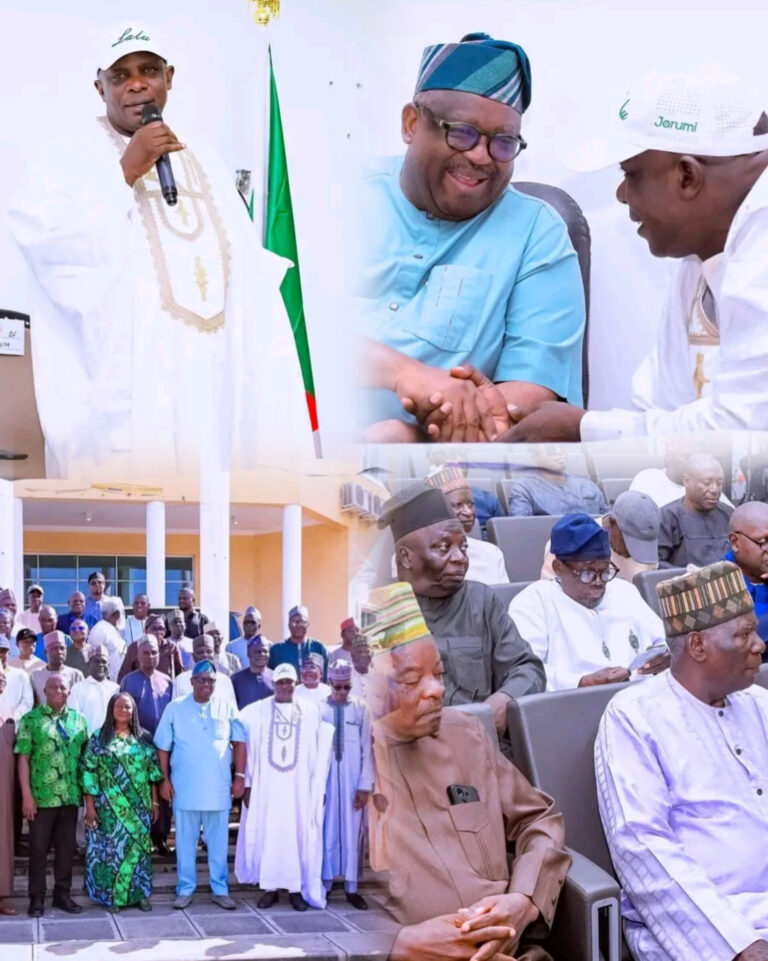
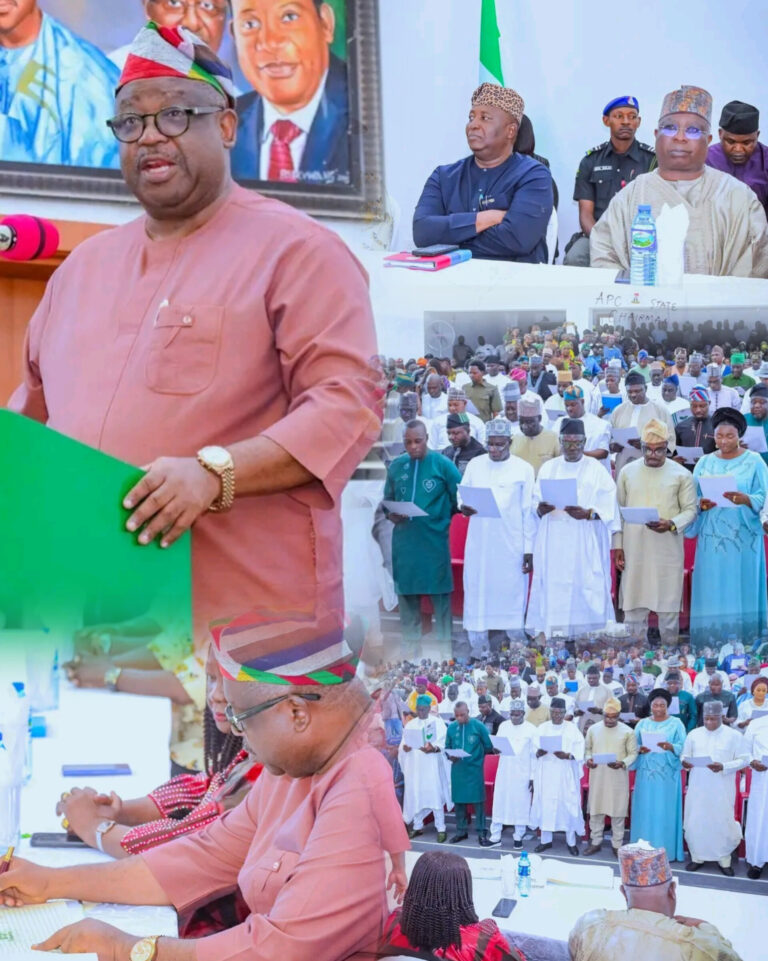
The stakeholders made the call during consultative meetings organised by the Plateau State Advisory Committee on State Police in Shendam and Pankshin for stakeholders from the Southern and Central Senatorial Zones respectively.
The engagements, held on Tuesday and Wednesday, were themed “Engaging Stakeholders, Shaping the Future for Community Policing.” They provided an opportunity for traditional rulers, women and youth groups, religious leaders, community leaders, security stakeholders, the media and Civil Society Organisations to deliberate on the proposed constitutional amendment to pave the way for the establishment of State Police across Nigeria.
Participants from the six Local Government Areas in the Southern Senatorial Zone and five Local Government Areas in the Central Senatorial Zone unanimously supported the proposed amendment, describing the creation of State Police as a development that could strengthen the existing security architecture and improve responses to security challenges at the grassroots.
However, the stakeholders stressed that the success of State Police would depend largely on the establishment of a strong regulatory framework to prevent abuse of power and protect citizens rights.
They called for the recruitment of personnel with proven integrity and good character, free from ethnic, religious and political considerations. They also advocated the decentralisation of command structures from the state level to the ward level to ensure wider coverage and closer interaction between security personnel and the communities they serve.
Another major recommendation was the establishment of a Security Trust Fund, which would allow government at all levels, private organisations, corporate bodies and other stakeholders to contribute resources towards policing and community security. They proposed that such a fund should be managed transparently by a State Police Service Commission to ensure accountability.
The stakeholders also recommended a hybrid policing model in which a substantial number of police personnel would reside within communities to facilitate intelligence gathering and strengthen relationships with residents. At the same time, barracks should be established at strategic locations to accommodate special forces that could be rapidly deployed during emergencies.
They further emphasised the need for state-of-the-art equipment, continuous training and retraining, intelligence-led community policing and improved conditions of service to motivate personnel and enhance professionalism.
Speaking at the engagements, Chairman of the Plateau State Advisory Committee on State Police, Deputy Inspector-General of Police, DIG Habila Joshak (Rtd.), said the proposal for State Police was informed by the persistent security challenges confronting the country.
According to him, the establishment of State Police would complement the efforts of the federally controlled Police Force by strengthening intelligence gathering and ensuring quicker responses to distress situations.
DIG Joshak, however, cautioned that the creation of State Police should not be viewed as an immediate solution to all security challenges. He expressed confidence that, with the support and cooperation of citizens, the initiative would help address some of the existing gaps in policing and contribute to safer communities.
He urged citizens to reject practices such as corruption and nepotism, stressing the need for collective commitment to building safe and secure communities.
Earlier, the Executive Chairman of Pankshin Local Government Council, Hon. Felix Gonung, described the establishment of the advisory committee by Governor Caleb Mutfwang as a welcome initiative capable of strengthening the protection of lives and property and improving governance at the grassroots.
While conducting the syndicate sessions in Pankshin, Chairman of the Stakeholder Sub-Committee, Alhaji Ibrahim Saleh Hassan, explained that the committee was in the senatorial zones to listen to the people and gather their views on the proposed State Police structure.
He encouraged participants to approach the discussions with seriousness and provide practical recommendations that would contribute to the development of an effective and accountable policing system.
He was joined by members of the committee, including Prof. Ezekiel Best, Timothy Parlong, Esq., and Kisitmwa Bawun, who facilitated discussions across the various stakeholder groups.
In his appreciation, a member of the committee and former Assistant Inspector-General of Police, AIG Bashir Emmanuel Dabup, also known as Muyom Garkawa III, expressed satisfaction with the quality of contributions from stakeholders in both the Southern and Central Senatorial Zones.
He said the discussions had enriched the committee’s work and provided useful perspectives that would inform its recommendations.
AIG Dabup appreciated the Executive Chairmen of Pankshin, Mangu, Kanam, Bokkos and Kanke Local Government Areas for mobilising their people and participating actively in the consultative engagements.
The meetings ended with stakeholders unanimously adopting the proposed constitutional amendment to enable the establishment of State Police, alongside recommendations for adequate funding, modern equipment, professional recruitment, improved welfare, community-based intelligence gathering, effective regulation and transparent management of resources.
The recommendations are expected to form part of the inputs to the Plateau State Advisory Committee as it continues its consultations and prepares its report on the proposed State Police system.







+ There are no comments
Add yours