







The National Women Platform on Security Sector Reform and Governance (NWP-SSRG) has called for greater recognition and investment in the role of women in peacebuilding, security and community development, stressing that sustainable peace requires the active participation of women at every level of society.
The call was made on Monday, September 21, 2026, during a virtual programme organised by the Platform to commemorate the International Day of Peace 2026. The programs sub-theme “She Invests in Peace,” in line with the global theme for this year’s observance, “Invest in Peace: For Everyone, Everywhere, Every Day.”
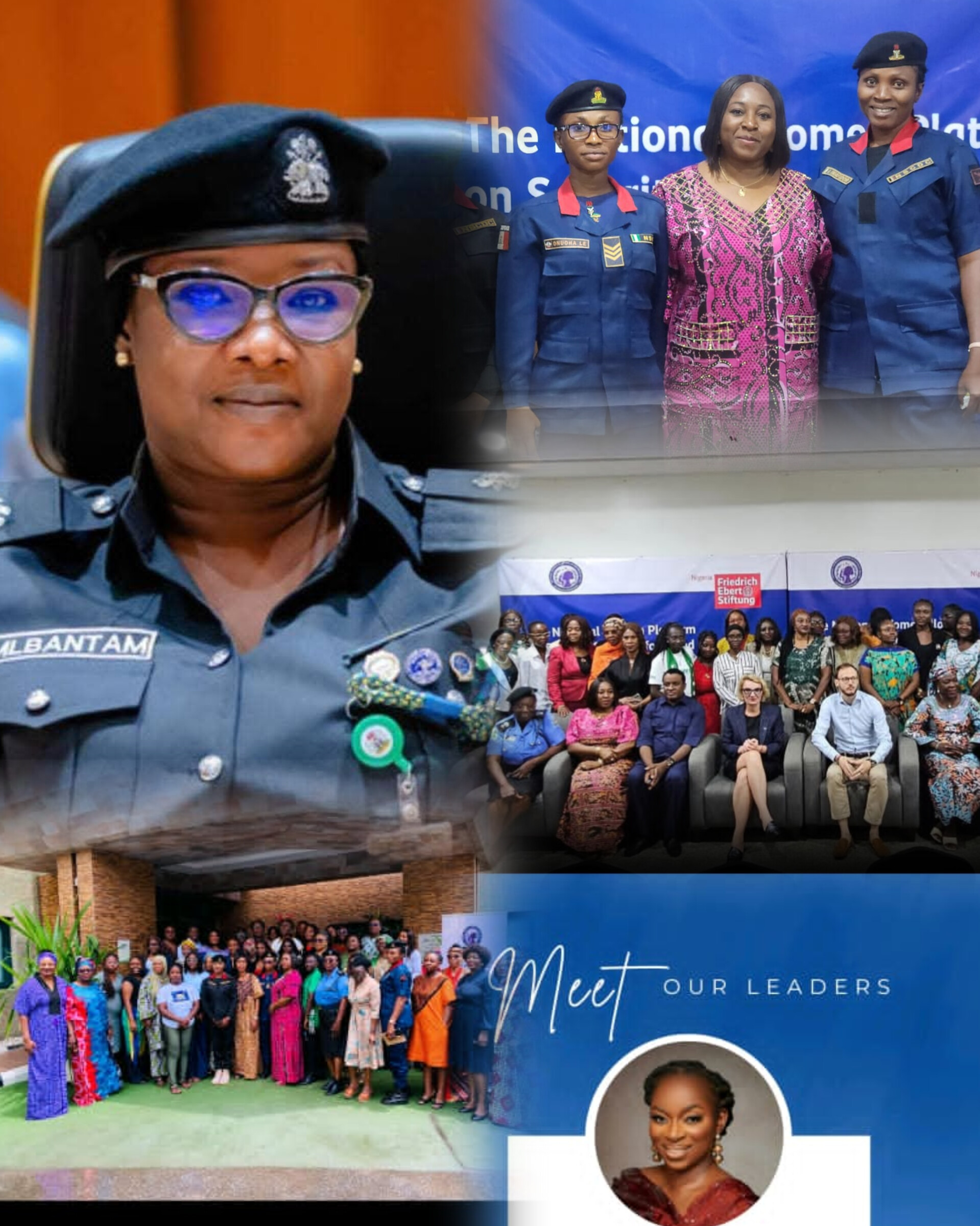
In her welcome remarks, the Focal Person- Security, Pamela West, said peace should not be viewed only as an agreement reached at negotiating tables but as something that is built through everyday choices and actions within homes, workplaces, neighbourhoods and communities.
Pamela West, who welcomed participants on behalf of the Platform alongside it’s Co-Focal-Civil Society, Prof. Plangsat Bitrus Dayil of the University of Jos, noted that women often play a significant but under-recognised role in sustaining peace within their communities.
She explained that the Platform emerged from the Friedrich-Ebert-Stiftung’s Security for All project, co-funded by the European Union, and has since undertaken a number of initiatives aimed at strengthening women’s participation in security and peacebuilding.
According to her, these include women-only civil-military relations training in Jos and Lagos, grassroots-to-national dialogues on Women, Peace and Security, as well as a strategic engagement in Abuja with the National Defence College for gender desk officers drawn from military, paramilitary and civil society institutions.
West stressed that the experiences from these engagements had reinforced the need to ensure that women are not excluded from conversations and decisions concerning peace and security.
The virtual programme brought together women from the security sector, public service and civil society. Among the speakers were AIC Onuoha Linda Ebuka of the Nigeria Security and Civil Defence Corps, FCT Command, and CSP Maryam Bantam, Principal Staff Officer at the Office of the National Security Adviser. Dr Helen Tegtegh moderated the discussion.
One of the key areas highlighted during the discussion was the need to strengthen the capacity of women and grassroots groups to contribute meaningfully to community security.
The speakers advocated training for female civil society organisations, market associations and faith-based women’s groups in basic intelligence gathering, conflict de-escalation and risk assessment. Such training, they noted, could help women identify emerging threats within their communities and support early intervention.
Attention was also drawn to the protection of women during emergencies, disasters and displacement. It was noted that situations such as flooding, violent displacement and civil unrest often expose women and girls to increased risks of exploitation and abuse, particularly in Internally Displaced Persons camps and emergency shelters.
The discussion therefore proposed gender-responsive measures in emergency management, including safety audits in displacement camps, improved lighting, separate sanitation facilities for women and secure sleeping arrangements.
The establishment of specialised crisis response teams was also suggested, with a focus on ensuring that women and female-headed households receive emergency assistance in a safe and dignified manner, while reducing the risk of exploitation during relief distribution.
The programme further emphasised the connection between security, youth empowerment, employment and community resilience. Participants noted that addressing insecurity requires more than conventional security responses, particularly in communities where poverty and unemployment can increase vulnerability to crime and recruitment into criminal networks.
Among the proposed measures were stronger youth engagement and school safety programmes, including training students and young people in emergency preparedness, conflict resolution and ways of resisting recruitment into criminal activities.
The speakers also called for stronger collaboration among security agencies, civil society organisations and community-based groups, including women’s organisations, to improve information sharing and grassroots response to security challenges.
In her closing remarks, Prof. Plangsat Bitrus Dayil thanked the speakers and participants for their contributions, stressing that the commemoration provided an opportunity to recognise the important role women continue to play in creating safer and more peaceful communities.
She said the theme, “She Invests in Peace,” appropriately reflected the broader message of the 2026 International Day of Peace, noting that women contribute to peace in different ways – community engagement, dialogue, protection of vulnerable people and strengthening of social cohesion.
The programme ended with a renewed call for stakeholders to recognise women as active partners in peace and security and to create more opportunities for their participation in decision-making, community resilience, conflict prevention and sustainable peacebuilding.









+ There are no comments
Add yours