

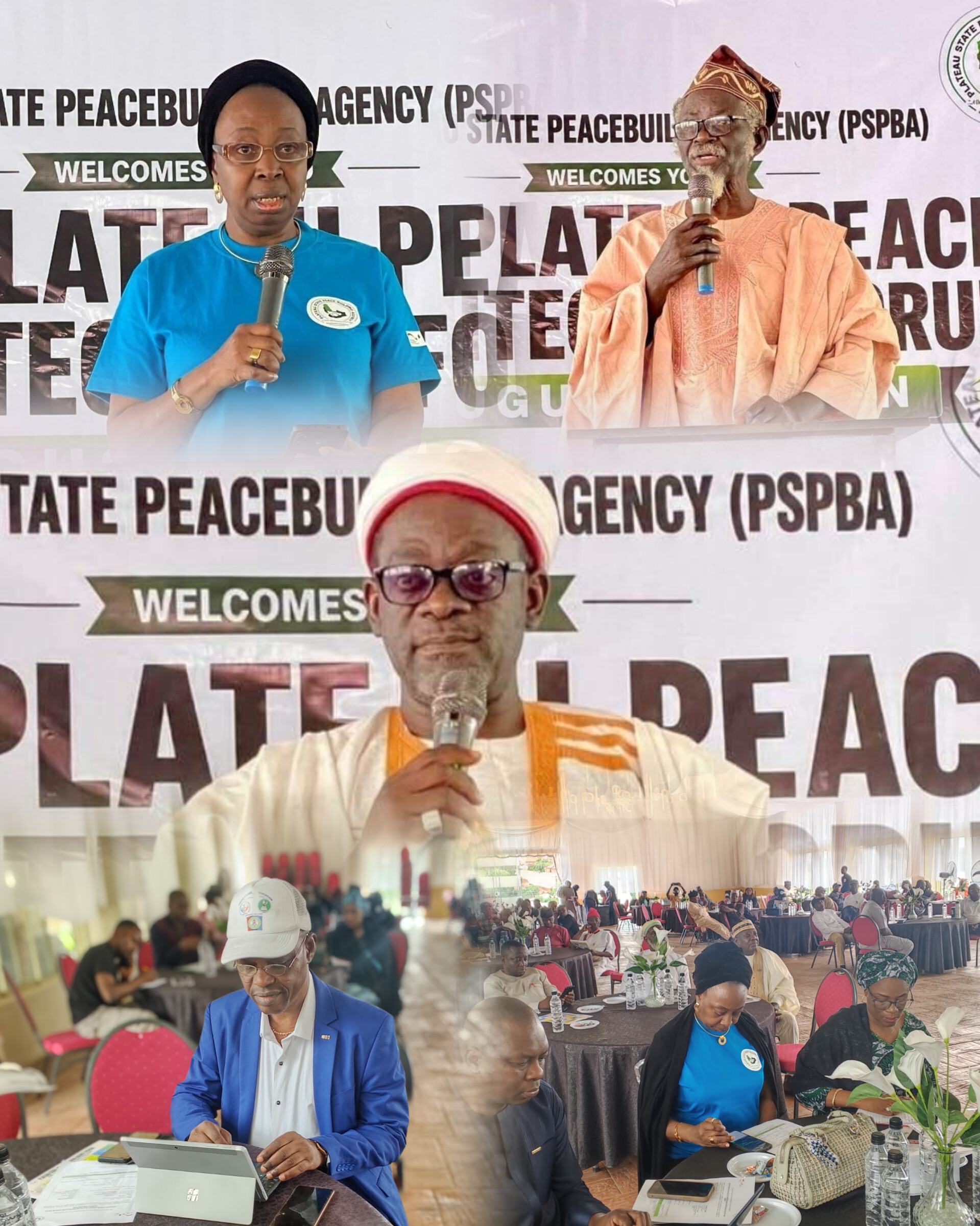
Stakeholders in Plateau State have called for greater religious tolerance, inclusion and responsible youth participation as part of efforts to prevent violence ahead of the 2027 general elections.
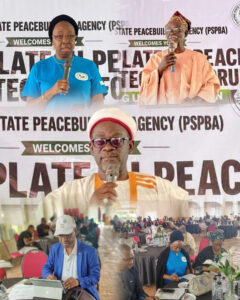
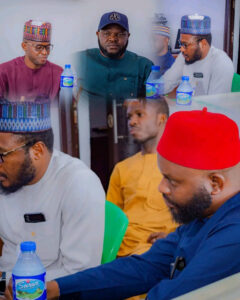
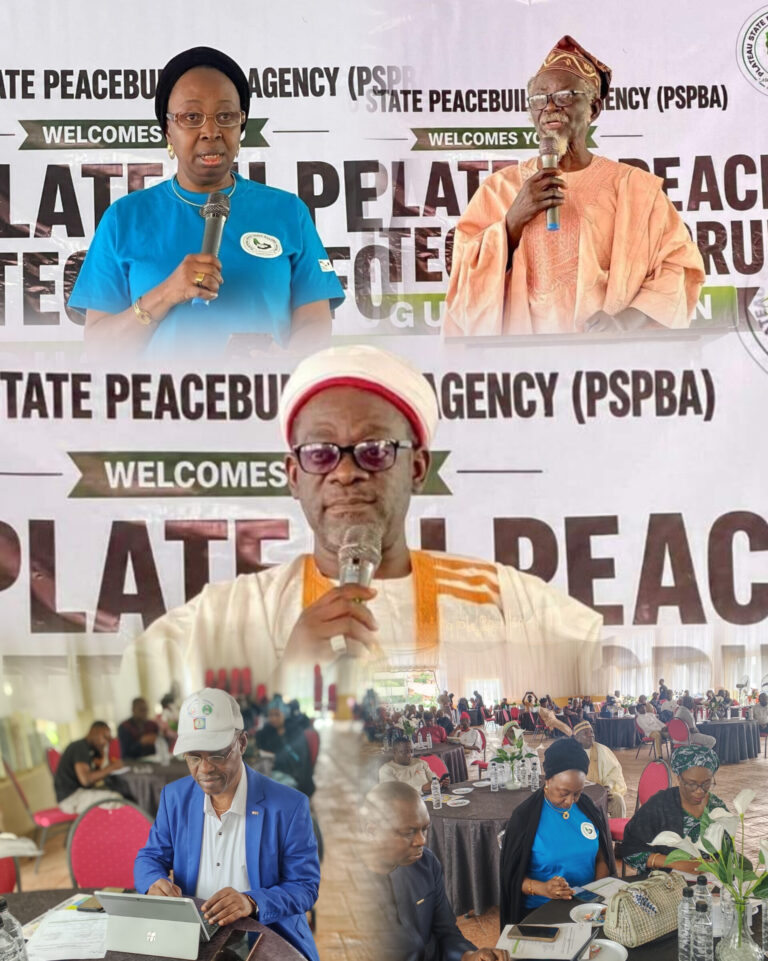
The call was made at the August edition of the Plateau Peace Architecture Forum, organised by the Plateau State Peace Building Agency at Odilins Event Centre, Jos. The forum, which brought together religious and traditional leaders, government officials, human rights practitioners, youth representatives, civil society organisations and other peace actors, focused on the theme: “Understanding Freedom of Religion or Belief from Diverse Perspectives: Promoting Religious Tolerance, Inclusion and Preventing the Manipulation of Youth for Electoral Violence.”
Opening the discussion, the Director General of the Plateau State Peace Building Agency, Dr. Julie Sanda, said the forum was designed to provide a safe space for stakeholders to reflect on religious freedom, peaceful coexistence and the need to protect young people from being exploited for violent purposes.
Dr. Sanda observed that in a state as diverse as Plateau, freedom of religion or belief should not be understood simply as the freedom to worship. She said it must also encompass dignity, mutual respect, inclusion and the ability of people of different backgrounds to live together without fear.
She challenged stakeholders to move beyond simply tolerating one another and instead build communities where people genuinely feel accepted. She also urged young people to be more discerning in their use of social media, particularly in identifying and rejecting misinformation, hate speech and messages capable of provoking violence.
President of PPPN, Mr. Bali Nanman, stressed the need to sustain conversations around religious freedom, especially as the country gradually approaches the 2027 elections. He maintained that religion should be a source of moral guidance and unity rather than a tool for division.
Nanman called on religious leaders and young people to resist attempts to exploit faith for political purposes and warned against the dangers of spreading unverified and inflammatory information, particularly through social media. He encouraged participants to take the lessons from the forum beyond the event venue and into their respective communities.
The Plateau State Coordinator of the National Human Rights Commission, Barr. Kyenpia Mafwei, described freedom of religion or belief as a fundamental human right that deserves protection irrespective of a person’s faith.
She commended the Peace Building Agency for providing a consistent platform where sensitive issues can be discussed openly and peacefully. Mafwei cautioned against the use of religion by political and religious actors to promote hatred, incitement or violence, while advocating dialogue, inclusion and equal protection for people of all faiths.
Representing the Special Adviser to the Governor on Inter-Religious Affairs, Rev. Nehemiah Michael, who spoke on behalf of Rev. Dr. Stephen Dangana, said genuine religious freedom should allow people to practise their faith, hold different opinions and disagree without turning those differences into hatred.
He urged stakeholders, especially young people, to be cautious of misinformation and political manipulation as the 2027 elections approach. He further reaffirmed the commitment of the Governor’s office to promoting inter-religious understanding and a Plateau State where religious differences become a source of strength rather than division.
Chairman of the Plateau State Advisory Council on Inter-Religious Harmony, Prof. Pandam Yamsat, called for a more practical approach to peacebuilding. He urged religious and community leaders to ensure that their public commitments to peace are reflected in their actions.
Prof. Yamsat also advocated greater recognition and respect for African Traditional Religion and other belief systems, stressing that no faith should be deliberately excluded from conversations about peace and coexistence. He further cautioned against the use of religion and politics for narrow personal interests, urging leaders to make both instruments of unity and nation-building.
The Co-Chairman of the Plateau State Advisory Council on Inter-Religious Harmony, Alhaji Dr. Muhammad Sambo, Emir of Wase, represented by the Chief Imam of Jos Central Mosque, Sheikh Ghazali Ismail, also emphasised the connection between religious freedom, peace, security and development.
He drew attention to the Islamic teaching that there should be no compulsion in religion, stressing the importance of respecting people of different beliefs and protecting religious minorities from discrimination and violence. He commended the Peace Building Agency for its continued investment in dialogue, mediation and peace education and expressed support for peaceful and inclusive elections in 2027.
The keynote address, delivered by Rev. Dr. Sylvester Dachomo, provided a broader reflection on the meaning of religious freedom in a diverse society.
Speaking on “Understanding Freedom of Religion or Belief in a Diverse Plateau,” Rev. Dachomo said Plateau’s diversity in religion, ethnicity and culture makes mutual understanding essential to the survival and development of the state.
He explained that freedom of religion or belief includes the right of individuals to choose, practise, change or even leave a religion or belief without coercion. Beyond legal provisions, however, he stressed the need for society to embrace acceptance and respect for human dignity.
Rev. Dachomo also reminded political leaders, traditional rulers, religious leaders, community leaders and security agencies that the responsibility of protecting human life should never be taken lightly. He called on them to see their positions as a trust and work collectively to prevent conflict and protect communities.
The forum also featured a panel discussion which examined the growing vulnerability of young people to political and religious manipulation. Representatives from Untold Heroes, PYIF, Hare Krishna, African Traditional Religion and Mr. Abubakar Sadeeq shared experiences and perspectives on peaceful coexistence, religious diversity and responsible youth engagement.
A further open dialogue, moderated by Mr. Silas Abdulsalam, gave participants an opportunity to examine practical ways of strengthening trust and religious inclusion across Plateau.
The discussions produced several areas of focus, including the need to empower young people to become advocates for peace, discourage the exploitation of religious sentiments for electoral purposes and confront harmful narratives that could trigger violence before, during and after the 2027 elections.
At the heart of the forum was a simple but important message: Plateau’s diversity does not have to be a source of conflict. With mutual respect, responsible leadership, informed young people and genuine dialogue, differences in faith and identity can instead become a foundation for peaceful coexistence.
The August edition of the Plateau Peace Architecture Forum therefore ended with a renewed call for stakeholders to move beyond speeches and commitments and begin translating the principles of tolerance, inclusion and peaceful coexistence into everyday action across communities.

+ There are no comments
Add yours